Best time to visit month‑by‑month for weather, crowds and events
Best months for milder weather and lighter crowds at Disney's Polynesian Village Resort are May and November; spring and fall shoulder seasons offer pleasant temperatures and easier park days. Summer brings hottest weather, daily afternoon thunderstorms, and peak crowds, while late summer–early fall includes the highest hurricane-season risk.
In this guide
- January–February: Mild weather, lower crowds
- March–May: Spring shoulder season — good balance of weather and crowds
- June–August: Peak summer — heat, storms and highest crowds
- September–October: Fall shoulder season, hurricane season peak
- November–December: Cooler weather, holiday crowds
- Planning tips tied to resort features
January–February: Mild weather, lower crowds
January and February are among the mildest months in Orlando, with daytime highs generally around the mid-60s to mid-70s°F and relatively few rainy days. This makes walking between the Great Ceremonial House, the beach on Seven Seas Lagoon, and the monorail convenient and comfortable.
Crowds are typically lower after New Year’s holiday travel tapers off, except for holiday-adjacent weekends and special events hosted across Walt Disney World®. Weather disruptions from tropical storms are rare in these months.
- Best for cooler, comfortable park touring
- Lower room demand—easier dining and ride reservations
- Pools open but evenings can be cool; Oasis Pool offers quieter atmosphere
| Month | Weather | Crowds/Notes |
|---|---|---|
| January | Mild, few rainy days | Below-peak crowds; post-holiday slowdown |
| February | Mild, slightly warmer than January | Lower crowds; watch for holiday weekends |
March–May: Spring shoulder season — good balance of weather and crowds
March through May is often recommended for milder weather: daytime highs climb from the upper 70s into the upper 80s°F while rainfall remains relatively light compared with summer. These months are a common shoulder season for Orlando.
Crowds can rise in March for spring break periods and in April around school vacations, but May often sees fewer visitors and manageable heat compared with summer. May is listed among the best months for lighter crowds and more manageable heat.
- March: spring-break crowd spikes possible
- April: pleasant weather but watch peak holiday weekends
- May: good mix of lower crowds and warming temperatures
| Month | Weather | Crowd tip |
|---|---|---|
| March | Warm, increasing humidity | Spring-break weeks can be busy |
| April | Warm, mostly dry | Easter/school holidays increase demand |
| May | Hotter but before daily summer storms | Often lighter crowds; recommended for value |
June–August: Peak summer — heat, storms and highest crowds
June through August is the hottest, most humid period in Orlando with frequent afternoon thunderstorms. Expect average highs at or above 90°F and daily brief heavy rain or lightning that can temporarily close pool areas and boat service.
These months also include the busiest travel periods for families. Expect higher demand for rooms, dining reservations (for 'Ohana and Kona Cafe), and longer waits for attractions. Pool hours for the Lava Pool are often extended in summer.
- High temps and humidity; plan indoor breaks midafternoon
- Daily thunderstorm risk can suspend boat service and outdoor activities
- Peak crowds—book dining and character experiences like 'Ohana in advance
| Month | Weather risk | Resort impact |
|---|---|---|
| June | Hot, humid; afternoon storms begin | Busy; boat/monorail still primary park transport |
| July | Hottest month; high humidity | Peak family travel; late pool hours for Lava Pool |
| August | Hot with frequent storms | Crowds remain high; hurricane season rising |
September–October: Fall shoulder season, hurricane season peak
September and October are warm with falling overnight temperatures later in October; they remain within the hurricane season (June 1–November 30) and the peak risk window centers around early-to-mid September. Rain and tropical weather are more likely than in spring or winter.
Crowds generally thin after Labor Day, though special-ticketed Halloween events at Walt Disney World can draw guests in select weeks. If you’re visiting in fall, keep flexible plans and monitor weather updates during hurricane season.
- Lower crowds after Labor Day — good for quieter park days
- Increased chance of heavy rain or tropical systems — monitor forecasts
- Halloween events can spike attendance on select dates
| Month | Weather | Crowds/Events |
|---|---|---|
| September | Warm, high hurricane-season risk | Lower overall crowds; watch weather |
| October | Warm to mild; drier later in month | Crowds rise on Halloween-event nights |
November–December: Cooler weather, holiday crowds
November offers some of the best trade-offs: cooler temperatures than summer and lower average rainfall, with more manageable crowds except around Thanksgiving. November is cited as one of the best months to visit Orlando for lighter crowds and easier heat.
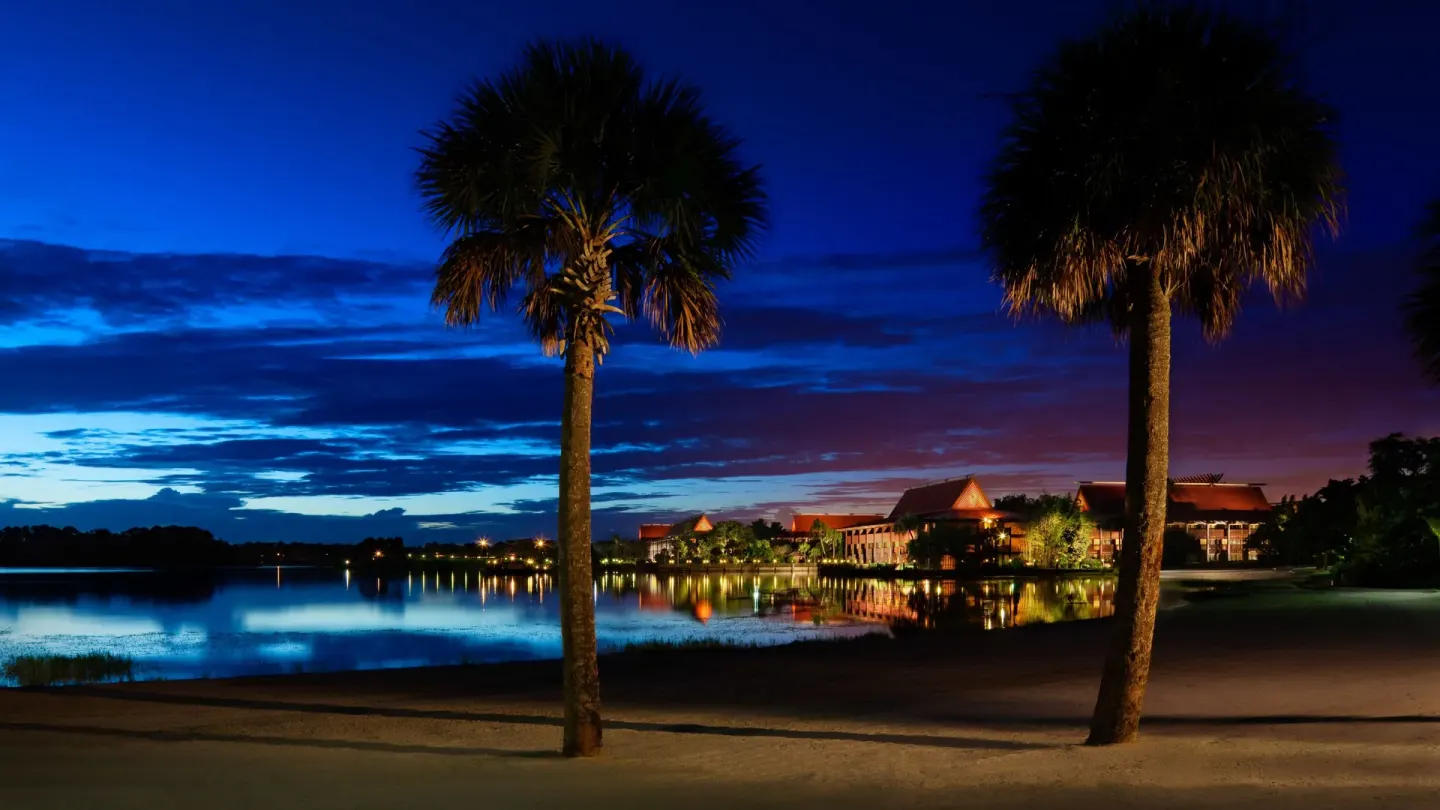
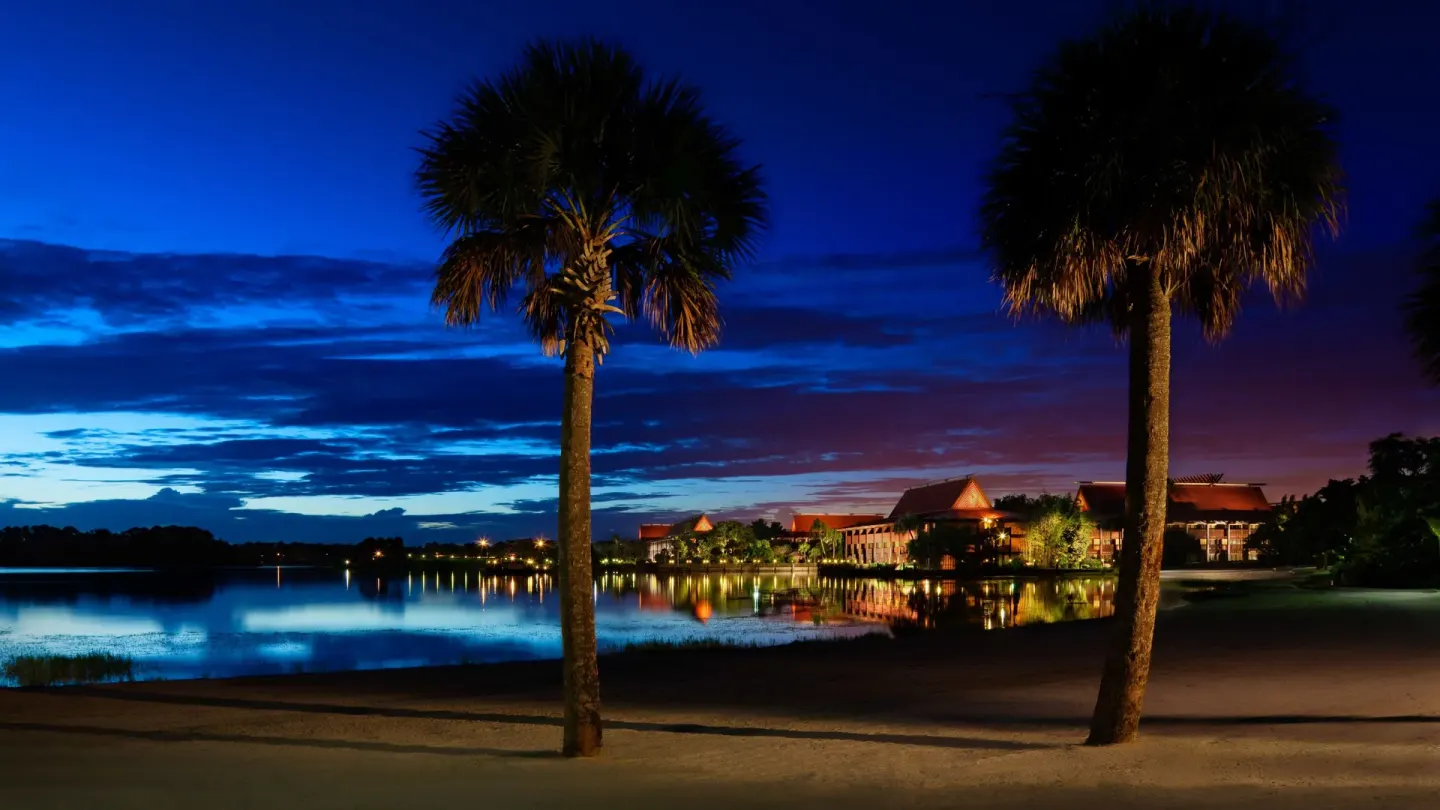
December brings holiday decorations and special events that increase demand; crowds rise mid-December through New Year’s. Fireworks and the nightly Electrical Water Pageant are visible from the Polynesian’s beach on Seven Seas Lagoon throughout the season.
- Early November: mild weather and lower crowds — recommended
- Late November/December: expect holiday crowds and higher dining demand
- Nighttime beach viewing of fireworks and Electrical Water Pageant possible
| Month | Weather | Crowd tip |
|---|---|---|
| November | Mild, lower humidity | One of the best months for lighter crowds |
| December | Cooler, festive decorations | Holiday crowds rise late in month |
Planning tips tied to resort features
Use the Polynesian’s monorail, boat, and bus transport to time park arrivals and avoid peak parking/transport waits. The resort’s monorail station sits on the second floor of the Great Ceremonial House and connects to Magic Kingdom and nearby resorts, and boat service usually runs about every 20 minutes (but may be suspended in thunderstorms).
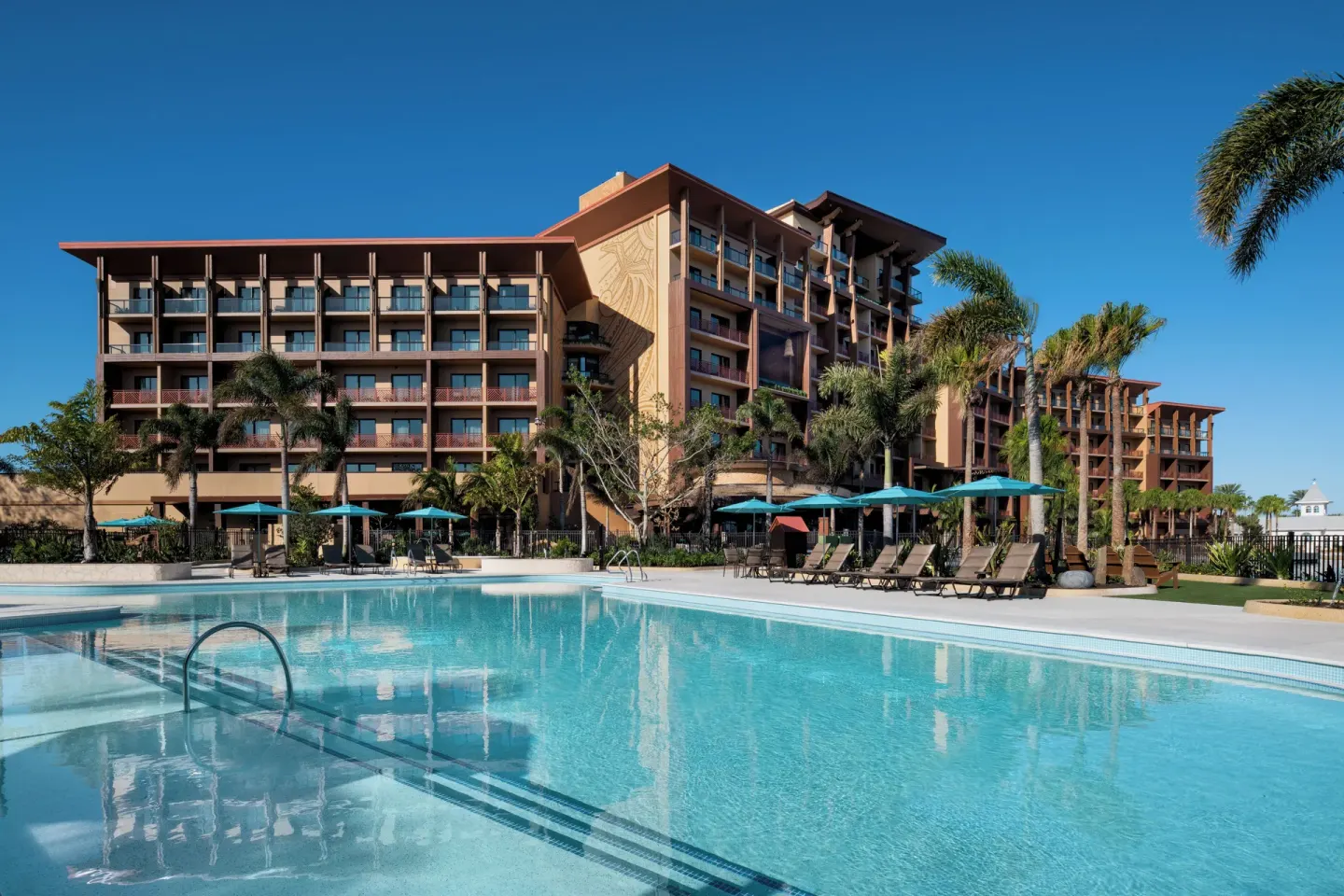
If pool time is important, remember the resort has three guest pools — Lava Pool (feature pool with waterslide), Oasis Pool (quieter) and the Cove Pool — and pool access is limited to registered Polynesian guests. Pools may close temporarily for lightning and lifeguards enforce supervision rules for children under 12.
- Book 'Ohana and Kona Cafe reservations early (many guests recommend booking up to 60 days in advance).
- If you prefer quieter pool time, choose accommodations near the Oasis Pool or use the Cove Pool at Island Tower.
- Monitor hurricane-season forecasts for September–October travel and maintain flexible plans.
| Resort feature | How it affects timing |
|---|---|
| Monorail & boat | Useful to beat park queues; boats may pause in storms |
| Pools (Lava/Oasis/Cove) | Plan outdoor time in mornings/early afternoons; storms can close pools |
| Dining ('Ohana, Kona Cafe) | Popular—reserve early, especially during holidays and busy months |